
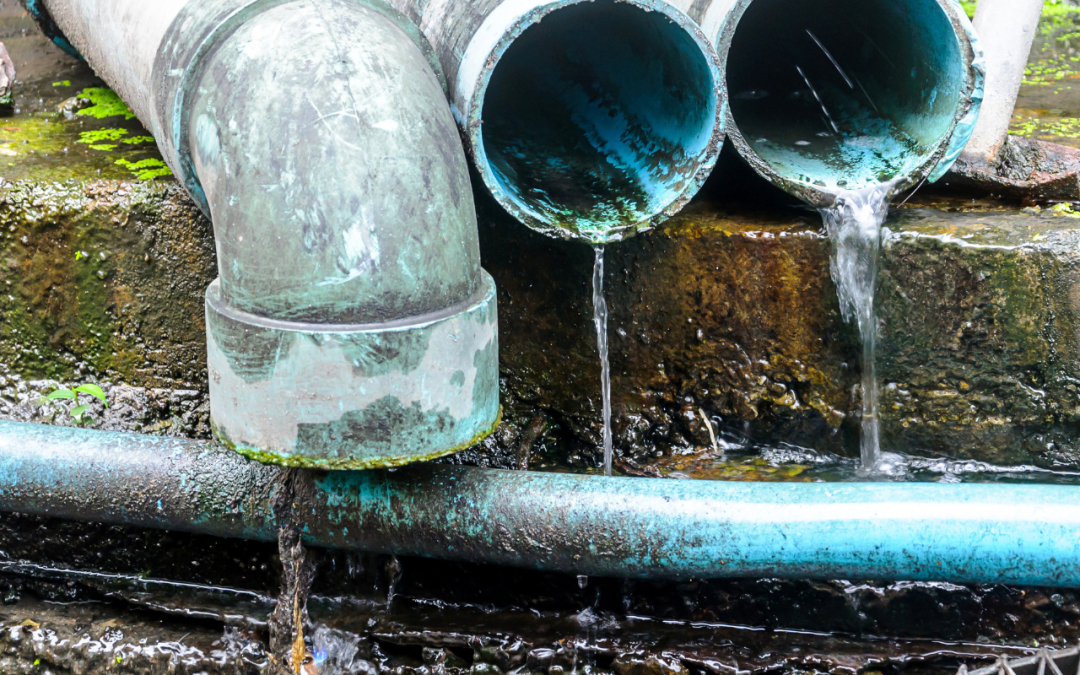
Older pipes can go unnoticed until something goes wrong. As long as the water runs and the drains clear, plumbing can slip down the project list. For many Chicago condo boards and building owners, the real question isn’t whether their pipes are getting older. It’s whether to act before there is a problem, or wait until there is one.
Epoxy pipelining can be a repair. It can also be a way to plan ahead.
When Older Pipes Still Seem Fine
Waiting can feel like the sensible choice. Nothing is leaking, residents aren’t complaining, and other projects are competing for the same budget. If the pipes are working, why spend money on them now?
The answer depends on the condition of the pipes. Some systems may have plenty of service left. Others may already be wearing on the inside, even if nothing shows on the surface. Corrosion can weaken pipe walls over time, and pipes hidden behind walls can make that wear hard to spot.
Letting the Pipe Choose the Timing
When a pipe fails, it can pick the timing for you. Work that could have been planned may happen as an urgent repair instead, sometimes during a cold snap or a busy stretch for your building. Residents and tenants may get little notice, and the scope may have to be decided in a hurry.
Planning ahead can turn that around. When you know where your pipes stand, you can decide when the work happens, how it is phased, and how to keep residents informed. That doesn’t mean every building needs to line its pipes right away. It means the decision gets made on your schedule instead of the pipe’s.
What Pipelining Does for a Pipe That Still Works
Epoxy pipelining restores a pipe from the inside. At NuFlow Midwest, our process follows four steps: diagnosis and setup, cleaning, lining, and reassembly and evaluation. We dry and clean the pipe to remove rust and corrosion, then line it with epoxy that cures in place. Once the lining has cured, we put the system back together and perform a final leak test and inspection, along with testing water quality, volume, and flow.
With the lining in place, water can’t come into contact with the original pipe, because the epoxy sits between them. That is part of the case for pipelining before a failure: it protects a pipe that is still doing its job, instead of waiting for a leak to force the decision.
We work through an access point, such as a drain or cleanout, so fixtures and finishes can usually stay where they are. The process involves little or no disruption to ongoing tenant activities, and our lining work comes with a 10-year warranty on parts and labor.
Not Just a Repair
Pipelining doesn’t have to wait for damage. In US Navy applications, new pipes have been lined as a preventive measure. That shows lining can be used before damage appears, not only after.
That doesn’t make it the right call for every system. It does mean pipelining belongs in the planning conversation, not only in the emergency one.
Finding Out Where Your Pipes Stand
Deciding whether to line pipes before they fail should start with facts. A building pipe assessment includes a video inspection of all plumbing lines, a report detailing the problems we find, a decision on a lining solution, and an estimated cost of pipe lining.
The findings may show pipes in good condition, or wear that makes lining worth planning now. Either way, you will have a clear picture to share with your board or ownership group before any decision is made.
Plan Your Pipes on Your Own Timeline
Every building is different, and every plumbing system ages at its own pace. But whether your pipes are leaking or not, the first step is the same: find out what condition they are in. A building pipe assessment helps show what is behind your walls and whether a lining solution makes sense for your building.
Contact us to schedule a building pipe assessment, evaluate your system, explore your restoration options, and plan the next step for your Chicago building on your schedule, not the pipe’s.